Kalifa Review Five Years On: Can the UK Still Lead Global Fintech?
Late last month marked the fifth anniversary of the Kalifa Review, the landmark report led by Ron Kalifa OBE that set out a strategy to secure the UK’s position as a global fintech leader. To reflect on its impact and discuss what comes next, industry leaders, policymakers and founders gathered in London for a panel hosted by Innovate Finance at the Moody's Corporation office.
Five years after the review was first published, the conversation has shifted. The question is no longer whether the UK can lead fintech innovation. Instead, the focus is on whether the country can maintain that leadership in an increasingly competitive global landscape.
Fintech Has Become Core Infrastructure
One of the most consistent themes from the discussion was how far the sector has evolved since 2021.
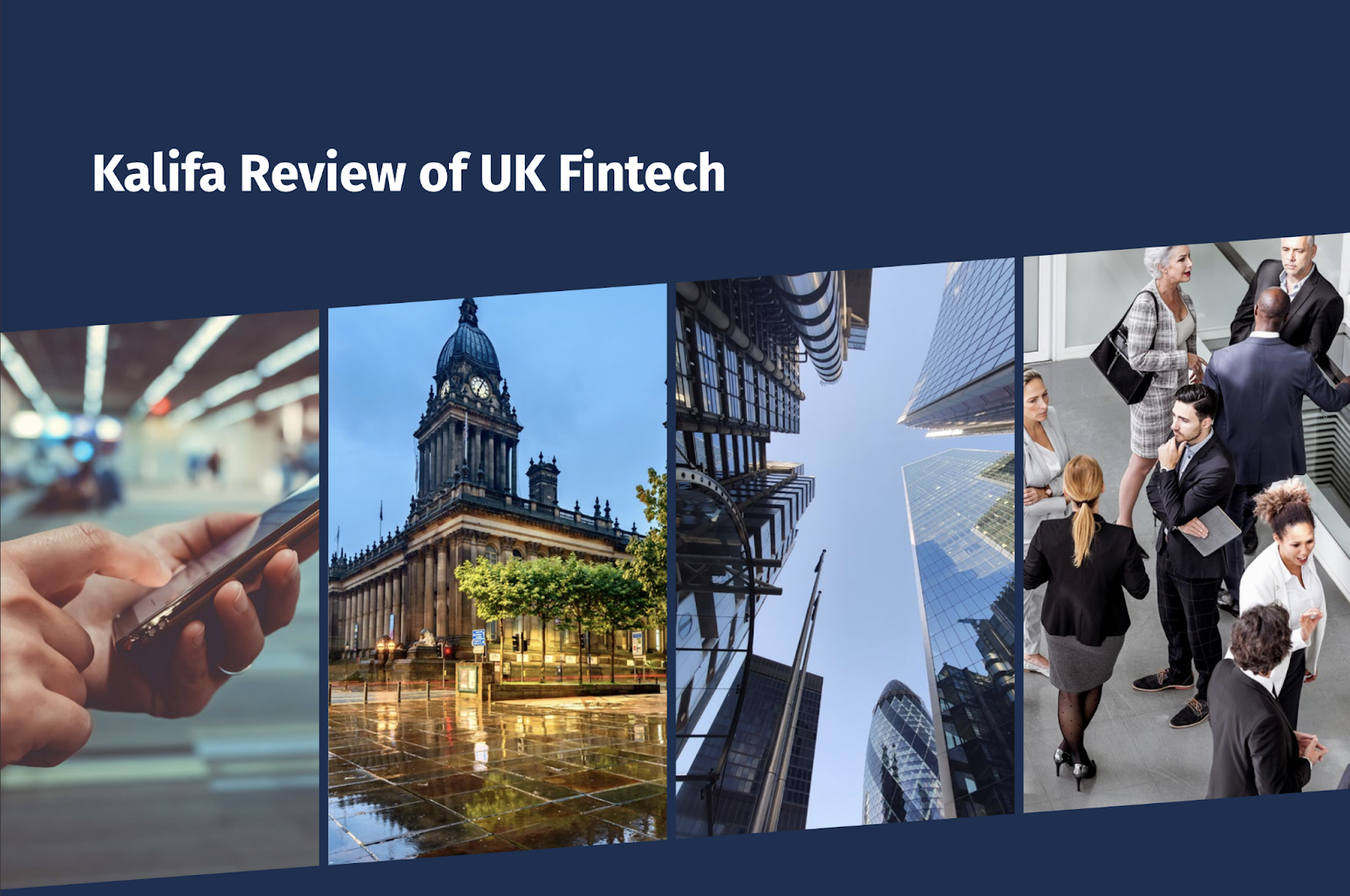
When the Kalifa Review was commissioned, fintech was still often framed as a challenger sector. It represented disruption and experimentation but had not yet become a structural component of the financial system.
Today that picture looks very different.
Fintech firms now power significant portions of SME lending, payments innovation and consumer financial services across the UK. Digital banking platforms, embedded finance models and alternative credit providers are no longer operating at the margins of finance. They are embedded within the system itself.
In many ways fintech has moved from innovation to infrastructure.
A More Mature UK Ecosystem
Participants also reflected on how the UK fintech ecosystem has matured since the review.
Regulatory innovation remains one of the UK’s defining strengths. The FCA’s sandbox framework continues to provide an internationally recognised model for testing new financial products in a controlled environment. This approach has helped position the UK as a jurisdiction where experimentation and responsible regulation can coexist.
Institutional collaboration has also strengthened. Organisations such as the Centre for Finance, Innovation and Technology have created platforms where fintech firms, regulators, banks and academic institutions can work together to address systemic challenges including digital identity, fraud prevention and access to finance for SMEs.
Another important development is geographic expansion. While London remains a global fintech hub, scale ups are emerging across Manchester, Leeds, Edinburgh and Glasgow, supported by strong academic institutions and regional innovation ecosystems.
The UK fintech sector has become broader, deeper and more interconnected.
The Challenge Is Execution Speed
Despite the progress, one theme surfaced repeatedly during the discussion. Pace.
The UK is widely respected for its regulatory credibility and institutional stability. Those qualities have helped build trust in the ecosystem. However many participants noted that future leadership will depend on the speed at which ideas move from policy discussion to market implementation.
Open banking was pioneered in the UK, yet other jurisdictions are moving faster on open finance adoption. Digital identity infrastructure remains fragmented. Payments modernisation and digital asset frameworks are developing but often at a slower pace than in emerging fintech hubs.
This matters because competition in fintech is global. Jurisdictions including the UAE, India and Singapore are investing heavily in digital finance infrastructure and regulatory clarity.
The UK remains one of the world’s most influential fintech markets. Maintaining that position will require stronger delivery as well as strong ideas.
Capital And Founder Incentives
Two additional themes from the event focused on capital and founders.
The UK continues to attract significant fintech investment, yet a large portion of that capital still originates overseas. Unlocking greater domestic institutional investment into high growth fintech companies is widely seen as an important next step for the ecosystem.
At the same time founders operate globally. They can incorporate and scale companies in multiple jurisdictions from the earliest stages of development. Regulatory clarity, access to talent, infrastructure and competitive incentives all influence where those companies choose to build.
Ensuring that the UK remains an attractive place for fintech founders will be critical for the next phase of growth.
The Next Phase Of The Kalifa Vision
The first phase of the Kalifa Review demonstrated that the UK could lead fintech innovation.
The next phase is about reinforcing that leadership.
Accelerating open finance, strengthening digital infrastructure, mobilising capital and maintaining founder confidence will determine whether the UK continues to shape the global fintech landscape.
The foundations established by the Kalifa Review remain strong. The challenge now is execution.
If the insights from this anniversary discussion are any indication, the UK still has the expertise, institutions and ambition to remain a global fintech centre. The next five years will determine how effectively those strengths are translated into action.