Reading the Room at Fintech Insider After Dark
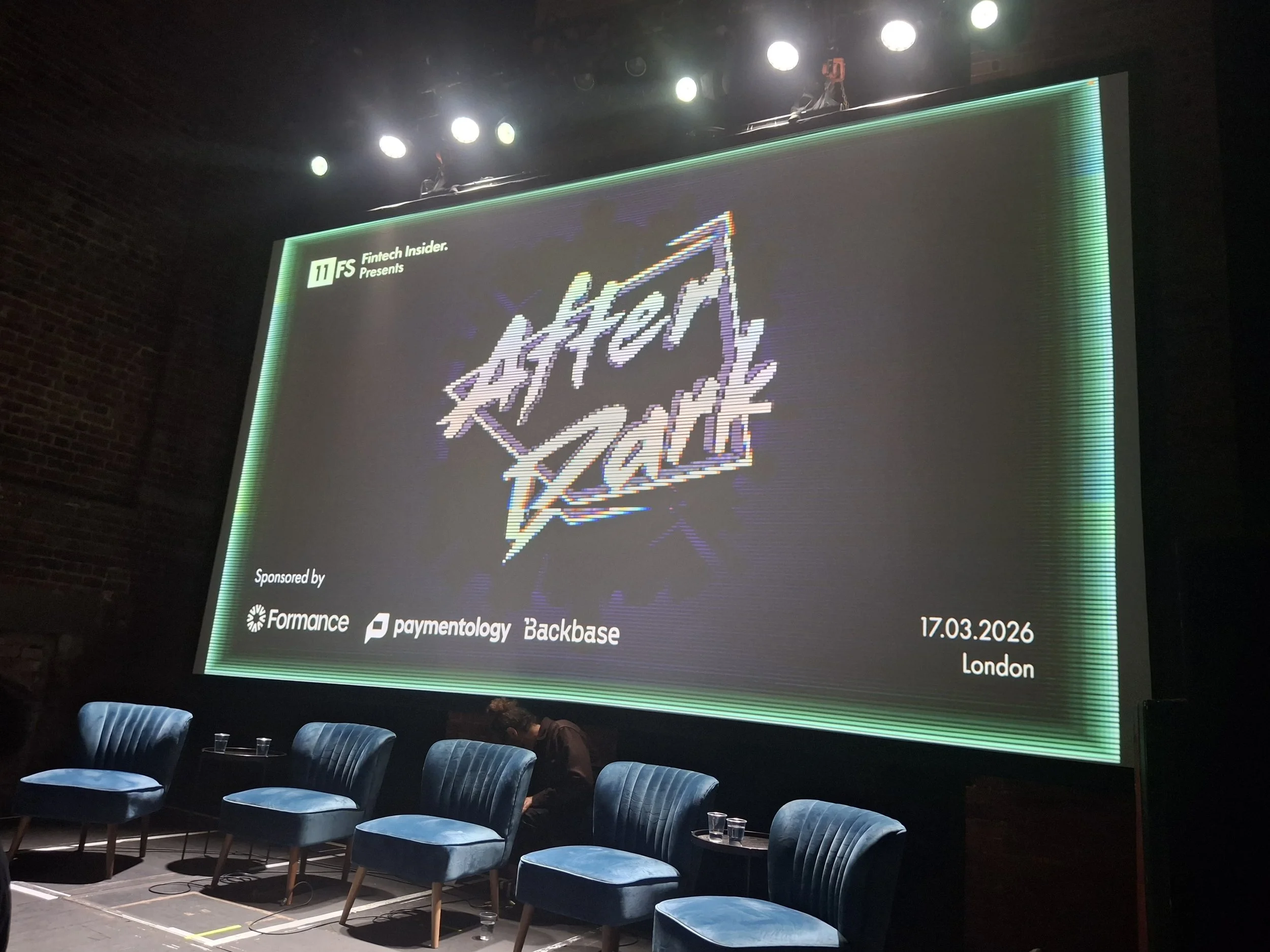
Looking at Village Underground in Shoreditch, with its graffitied tube carriages crowning the building, you'd associate the venue with trendy, East London Saturday nights. On this particular Tuesday, St Patrick's Day, it became the location of an Ecology Media outing, for a live recording of the Fintech Insider: After Dark.

Paymentology's Merusha Naidu joined the panel, alongside hosts Ross Gallagher and Jamie Campbell and fellow panelists, Lloyds' Chief Digital Officer Helen Bierton OLY BSc Hons and Formance Co-Founder Clément Salaün.
Robinhood bids to become super app for family finance
Three topics formed the structure of the evening, with the first looking at Robinhood's push into family finance.
Robinhood is launching a family account initiative to create a unified financial "super app" for households. The family hub offers shared account viewing, customisable access controls, from view-only to full management and a single interface grouping accounts by family members.
There was a sense of optimistic realism in the room, summarised well by Naidu: "When you look at how we evolve as people, you need to make sure you have the financial tools to also service that same kind of lifestyle. Robinhood is not the first, but it speaks a lot to how we as people operate. Creating a virtual card for your child to buy V-Bucks is a real thing. But Robinhood has taken it to the next level and said: how do we really build financial literacy from a young age? How do we make investment normal? Can we make the gifting aspect - I don't need to buy you Lego, I'll buy you shares.”
Further features of these accounts include recurring investments and gifting tools designed to facilitate generational wealth transfer. New account types include custodial accounts for minors and trust accounts for estate planning, supporting stocks, options and cash. The family hub and new account types are expected to roll out later in 2026.
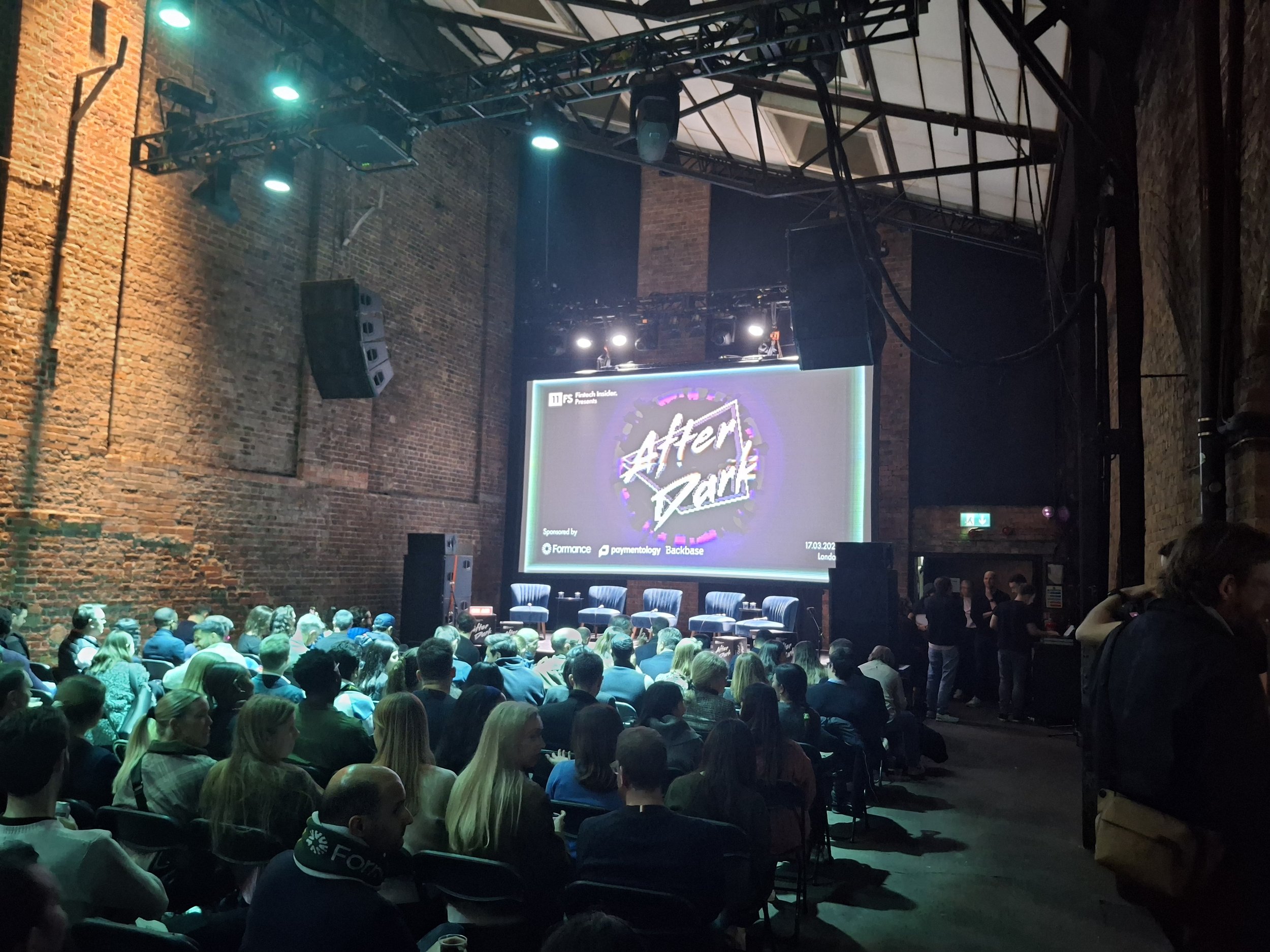
Interconnectivity in banking within families is something that has seen great advancement during the reign of digital banking, not just from parents to children, but in providing cross-border payments to loved ones in other countries and managing accounts of those who need further support, through illness or addiction, among other circumstances. I was surprised to see around a third of the room raise their hands to confirm that they handle money for someone else, something I would have assumed would be much lower, but highlights the need for more family-based banking services.
Irish Banks launch P2P service
To aptly celebrate the festivities of St Patrick's Day, the second topic of focus was a dive into the recent formation of a new trinity in Ireland.
AIB, Bank of Ireland and PTSB are teaming up to launch Zippay, a new P2P payment service with one major goal, to compete with Revolut. The new formation has the potential to reach over 5 million people. The revolt against Revolut is in motion. Revolut has a huge presence in Ireland and the defensive team up from the Irish banks is unlikely to dent the digital bank’s business.
Naidu noted that the team-up could lead to new, positive banking habits in older demographics, those who are less likely to use Revolut, but younger users are less likely to jump ship. However, Bierton highlighted that Zelle took a similar approach in the US and overtook Venmo within a year, so the game is afoot.
The irony of the strategic move was that despite the news story being focused on the team-up and the launch of Zippay, the conversation on the panel kept coming back to Revolut, with the panel coining the term, ‘The Revolut effect’.
Monzo reads the room
The final topic of the evening focused on criticism aimed at Monzo’s end of year review, a look back at the year that took a page from Spotify’s book, with their popular Spotify Wrapped feature.
A Guardian article asked the question: When does lighthearted banter become inappropriate and humiliating?
The digital bank Monzo has been accused of overstepping the mark by highlighting one customer’s fast food spending and turning it into a joke. The bank informed her she spends “more than most” on Just Eat takeaways and suggested this money could have been put to better use, using what the complainant referred to as “shaming language”.
The complaint escalated to the UK financial ombudsman. Reported phrases used by the digital bank to sum up customers' yearly spending include: "You spent more than most on Just Eat. Did somebody say just stop?" and "mainly, you fast fooded". I don’t think fooded is even a real word.
While the headline of the story suggests customers are growing tired of the 'I'm your mate' schtick that Monzo leans into, the audible groan in the room when the headline was read out implies this is a minority. Nevertheless, with the nationwide coverage that followed the incident, it will no doubt impact Monzo’s use of language in future end of year reviews.
A few years ago I attended a conference in which a writer for Monzo revealed the impact of the company's punk-adjacent lingo in its copywriting. The speaker in question revealed that Monzo saw a 57% decrease in customer queries after rewording just one word on their website. Monzo also reported a 1% increase in weekly activity when they changed just four words for the description when uploading a card to Apple Pay. So if there is any company that understands the impact of language, it’s Monzo.
It is worth noting something that was somewhat unfairly omitted during the reporting of this issue, when signing up for Monzo’s end of year review, the app provides you with the offer for a ‘nice’ tone, or a ‘savage’ tone. Perhaps this constitutes a fair warning?
Personally I use my Monzo account purely for travel-related purchases, ease of splitting costs, or to take advantage of a particularly good cashback deal.
When looking at my end of year, it's something I look forward to, but know that it does not accurately represent my yearly spending habits. My most visited location was an arcade in Tokyo, due to the numerous contactless payments in pursuit of an increasingly overpriced holiday souvenir. But hey, now I have a plush toy of Po from Teletubbies and so to me Monzo's reminder is one of victory.
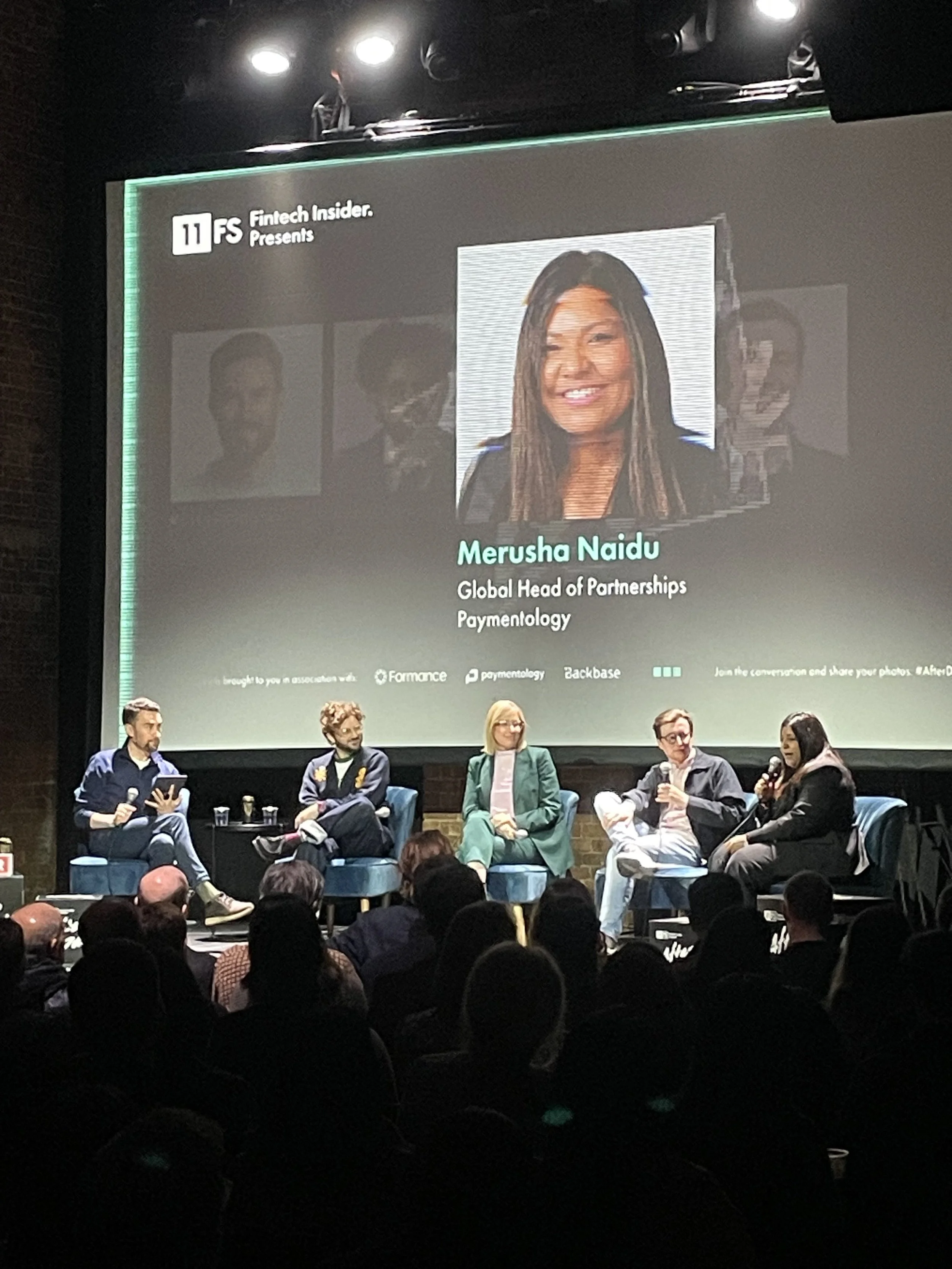
While there is debate as to what side of this situation you cast your opinion on, the panel and audience were largely in unison that regardless of your opinion on whether it was offensive, Monzo should have resolved the issue before it reached the financial ombudsman. As Helen Bierton said earlier on in the podcast, when speaking of her role at Lloyds “it’s a privilege and a responsibility to look after someone's money”, a notion that brings comfort to the everyday banking customer. With time to reflect on the conversation at the event and listen back after the podcast’s public release, I find myself asking, was this a declaration of privilege?
After these three topics concluded, the evening rounded off with an interactive quiz. Did you know that Guinness 0% makes up 20% of the company's retail sales in the UK? Nor did I, but now I do.
An informative and engaging way to spend St Patrick's Day which left no desire for an Irish exit.